





The temporomandibular joints connect your jaw to your skull and support speaking, chewing, swallowing, and facial movement. Disorders involving these joints and muscles affect millions of Americans each year. When these joints become irritated or strained, even routine movements can become painful.
TMJ disorder, also known as TMD, causes chronic jaw pain and headaches, among other symptoms. Left untreated, these symptoms can worsen over time and interfere with life, including your ability to eat without pain or get through the day without a headache.
Read on to learn what causes TMD, how to recognize early symptoms, and how to avoid worsening discomfort and long-term joint damage with help from the best dentist in Mountain View.
What Is TMJ Disorder?
TMJ disorder refers to problems involving the jaw joints, muscles, and surrounding tissues. The condition is also called temporomandibular joint disorder (TMD), and these terms are often used interchangeably by patients. This disorder develops from stress, bite problems, arthritis, dental injury, repeated jaw strain, or a combination of problems. Habits like jaw clenching and nighttime teeth grinding are the leading causes of TMD symptoms because they place significant pressure on the jaw joints and muscles. Over time, this pressure may lead to inflammation, jaw tension, and restricted movement. Sometimes TMJ disorder is hard to diagnose because it may involve one or both sides of the jaw or have symptoms that come and go.
Common TMD Symptoms
Persistent jaw discomfort always deserves attention, especially when it interferes with eating, speaking, sleeping, or concentration. Common TMD symptoms include any combination of the following:
- Chronic jaw pain
- Jaw clicking and popping
- TMJ headache or migraine
- Pain while chewing
- Jaw tension
- Facial soreness
- Ear pain or pressure
- Tinnitus
- Neck pain
- A locked jaw
- Jaw joint pain
- Limited jaw movement
- Nighttime teeth grinding
TMJ disorders can also trigger facial pain, aching around the ear, and difficulty opening or closing the mouth comfortably. Some people notice symptoms flare after periods of stress. Others begin experiencing symptoms after dental procedures, dental trauma, or changes in bite alignment.
How Teeth Grinding Can Make TMJ Pain Worse
Teeth grinding places extreme pressure on the jaw muscles and joints. Most people who grind or clench their teeth while sleeping, a condition known as bruxism, don’t realize it until symptoms start appearing during the day.
Nighttime teeth grinding is a serious condition that can wear down enamel, increase tooth sensitivity, strain the temporomandibular joints, and contribute to headaches, facial soreness, damaged teeth, and disrupted sleep. Signs of teeth grinding include:
- Flattened or chipped teeth
- Morning headaches
- Sore jaw muscles after waking
- Tightness near the temples
- Tooth sensitivity
- Interrupted sleep
Thankfully, bruxism is easily fixed. Treatment includes getting a custom night guard designed to reduce pressure on the teeth and joints during sleep, as well as evaluating stress-related habits, bite alignment, and muscle strain that may be contributing to the problem.
What Causes TMJ Problems?
There is no single cause of TMJ disorder. In many cases, several factors work together to irritate the joints and muscles. Common causes of TMD include:
- Teeth grinding and jaw clenching
- Stress-related muscle tension
- Arthritis affecting the jaw joints
- Jaw injury
- Bite imbalance
- Poor posture
- Connective tissue disorders
Stress is a major factor and is well-documented as causing unconscious clenching during sleep or while concentrating during the day. Posture also matters. Looking downward at screens for long periods, sometimes referred to as tech-neck, places additional strain on the neck and jaw muscles and, in turn, causes increased jaw tension and discomfort.
Modern TMJ Disorder Treatment Options for Jaw Pain Relief
Many people worry they will need surgery to manage jaw pain, but in reality, there are effective non-surgical TMJ disorder treatments that will reduce discomfort and improve jaw function. While treatment always depends on the underlying cause and severity of your symptoms, the best dentist for TMD treatment in Mountain View usually starts by recommending one or more treatments that reduce inflammation, protect the joints, and relax overworked muscles. These non-surgical TMD treatment options include:
- Custom-made night guards, made specifically for nighttime teeth grinding
- Bite adjustment with orthodontic treatment
- Jaw exercises
- Stress management strategies
- Anti-inflammatory medications
- Moist heat or cold therapy
- Facial pain treatment focused on muscle tension
- Physical therapy
- Dental orthotics, such as a MAGO (Maxillary Anterior Guided Orthotic)
Conservative treatments are usually considered before more invasive procedures like orthodontics because most patients experience relief from jaw pain through non-surgical care and lifestyle changes.
When Is It Time to See a Dentist for TMJ Disorder Treatment?
Mild TMJ soreness may improve with rest, but ongoing symptoms can lead to inflammation and joint strain that worsen over time. You should see a dentist if you notice:
- Persistent jaw joint pain
- Difficulty chewing
- Frequent TMJ headache or migraine
- A locked jaw
- Severe jaw clicking and popping
- Worn or damaged teeth from grinding
- Facial pain that interferes with daily activities
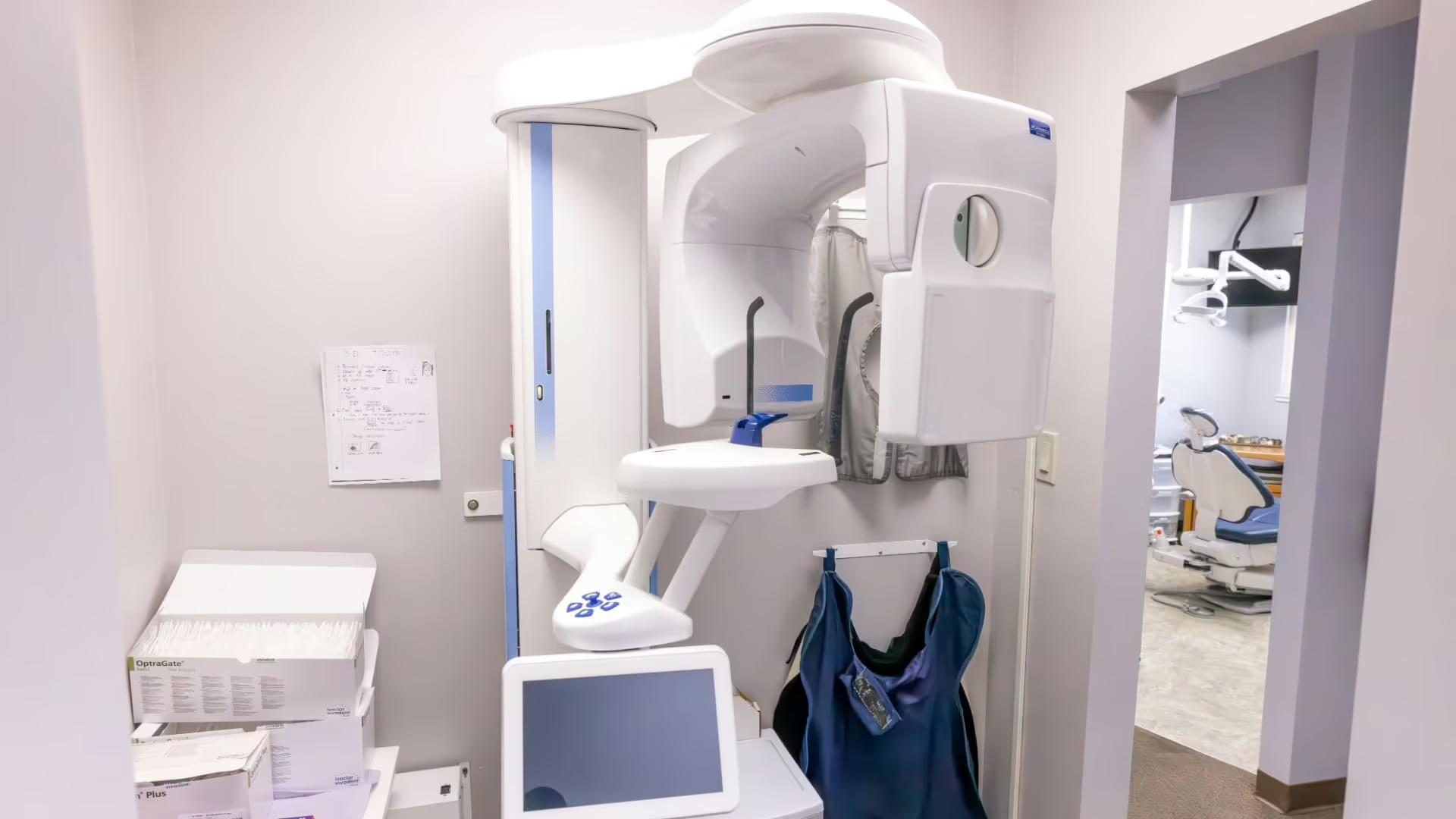
The best dentist in Mountain View can determine whether your symptoms stem from muscle strain, joint dysfunction, bruxism, or another dental issue. Treatment for pain in one or both TMJs will start with a comprehensive dental checkup that includes a physical exam, dental imaging, bite analysis, and a conversation about your symptoms and habits.
Where to Find the Best Dentist in Mountain View for TMJ Disorder Treatment
Living with chronic jaw pain can affect your sleep, eating habits, focus, and daily comfort. If you’re experiencing jaw tension, headaches, or pain while chewing, Dr. Jennifer Silvers can help. Known for providing the best TMD treatment in Mountain View, our team offers personalized treatment plans designed to relieve pressure on the jaw joints, reduce teeth grinding, and restore comfortable jaw movement.
Ready to get relief from jaw strain and tension headaches with help from the best dentist in Mountain View?



.avif)
.jpg)

.svg)


.svg)


