




Oral cancer can develop in areas of the mouth that are difficult to see. Some of these cancerous changes may not cause pain or obvious symptoms in their earliest stages, which is why getting regular oral cancer screenings is so important. These preventive screenings give dentists a chance to spot unusual changes before they become harder to evaluate or treat.
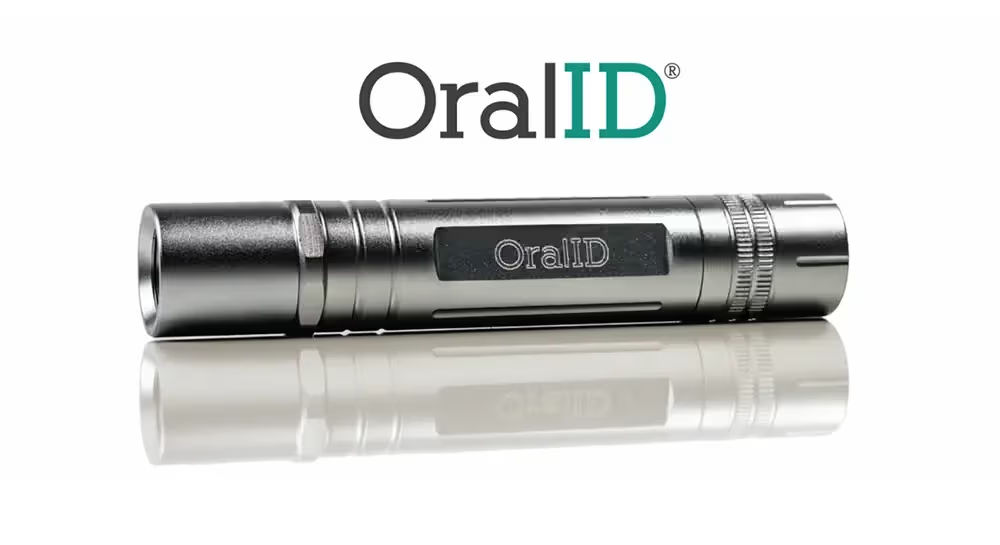
Autofluorescence devices like OralID are advanced, evidence-based screening tools that help clinicians identify areas of concern when used alongside a conventional oral examination. This technology uses a special blue fluorescence light and filtered eyewear to help highlight areas of oral tissue that may need a closer look.
Read on to learn more about advanced oral cancer screening tools and where to find the best dentist in Mountain View for modern dentistry.
What Is OralID Oral Cancer Screening Technology?
OralID is a handheld fluorescence device designed to help dentists examine the soft tissues inside the mouth. During an OralID screening, dentists use a special light to illuminate oral tissues while wearing filtered glasses that make cancerous tissue changes easier to see.
Healthy and abnormal tissues can respond differently to this light. Areas that appear significantly darker under the fluorescence light can signal a change that deserves additional testing.
OralID is small enough and versatile enough to help dentists look more closely at all areas of the mouth, including the cheeks, inside of the lips, tongue, floor of the mouth, root of the mouth, and back of the mouth.
What Can an Oral Cancer Screening Detect?
Oral cancer screenings identify changes that may require further evaluation. These changes can involve the color, texture, shape, or appearance of tissues throughout the mouth. This means that OralID does not diagnose cancer. Instead, it identifies tissue that has cellular changes that deserve closer attention. Inflammation, irritation, trauma, and other noncancerous conditions can all affect how oral tissues appear under fluorescence.
Why Early Detection Matters for Oral Cancer
Oral cancer includes cancers that develop in areas of the mouth and throat. These cancers can be challenging because oral changes can develop without obvious symptoms. Early diagnosis can affect treatment options and outcomes.
You may not notice a small change in the tissue on the side of your tongue or inside your cheek. You may not feel a painless area that looks slightly different from the surrounding tissue. This is why the American Dental Association recommends that adult patients receive a conventional visual and tactile examination of the oral cavity at least once a year. Additionally, if a suspicious lesion is identified, the ADA recommends biopsy or referral to a specialist.
When Do I Need Oral Cancer Screening?
Oral cancer can affect different groups of people, so regular dental visits provide an important opportunity to monitor changes in your mouth. The best dentist in Mountain View will pay particular attention to your oral cancer risk based on factors including:
- Tobacco use
- Alcohol consumption
- Human papillomavirus, or HPV
- Previous oral or head and neck cancer
- Sun exposure, particularly for cancers involving the lips
- Age
- A history of certain oral lesions
Your medical and dental history can help your dentist determine how frequently you should receive screenings and whether a particular finding needs additional attention.
Finding the Best Dentist in Mountain View for Oral Cancer Screening
Choosing a dentist for preventive care means finding someone who takes the time to examine your oral health carefully and stays current with advances in dental technology. Dr. Jennifer Silvers brings both clinical experience and a strong commitment to dental education to her patients in Mountain View.
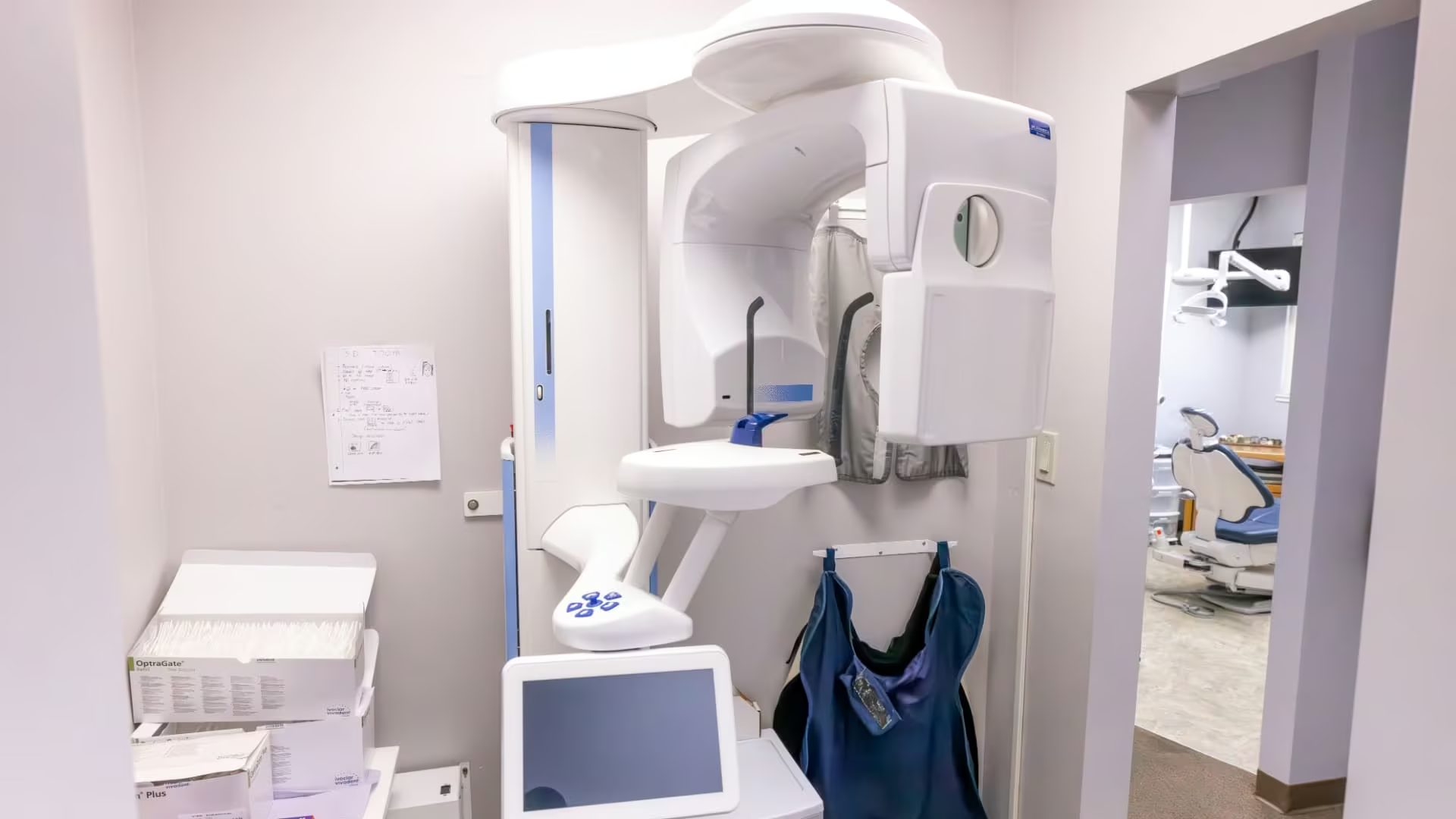
After earning her Doctor of Dental Surgery degree from the University of the Pacific Arthur A. Dugoni School of Dentistry, where she continues to serve as a faculty member and clinical instructor, Dr. Silvers stays current with techniques and technology through her ongoing involvement in dental education. This keeps her practice up to date with advanced diagnostic tools, including digital X-rays, intraoral cameras, CBCT imaging, and OralID fluorescence screening for oral cancer.
Ready to get comprehensive preventive dental care and advanced oral cancer screening from the best dentist in Mountain View?




.avif)

.svg)


.svg)


