


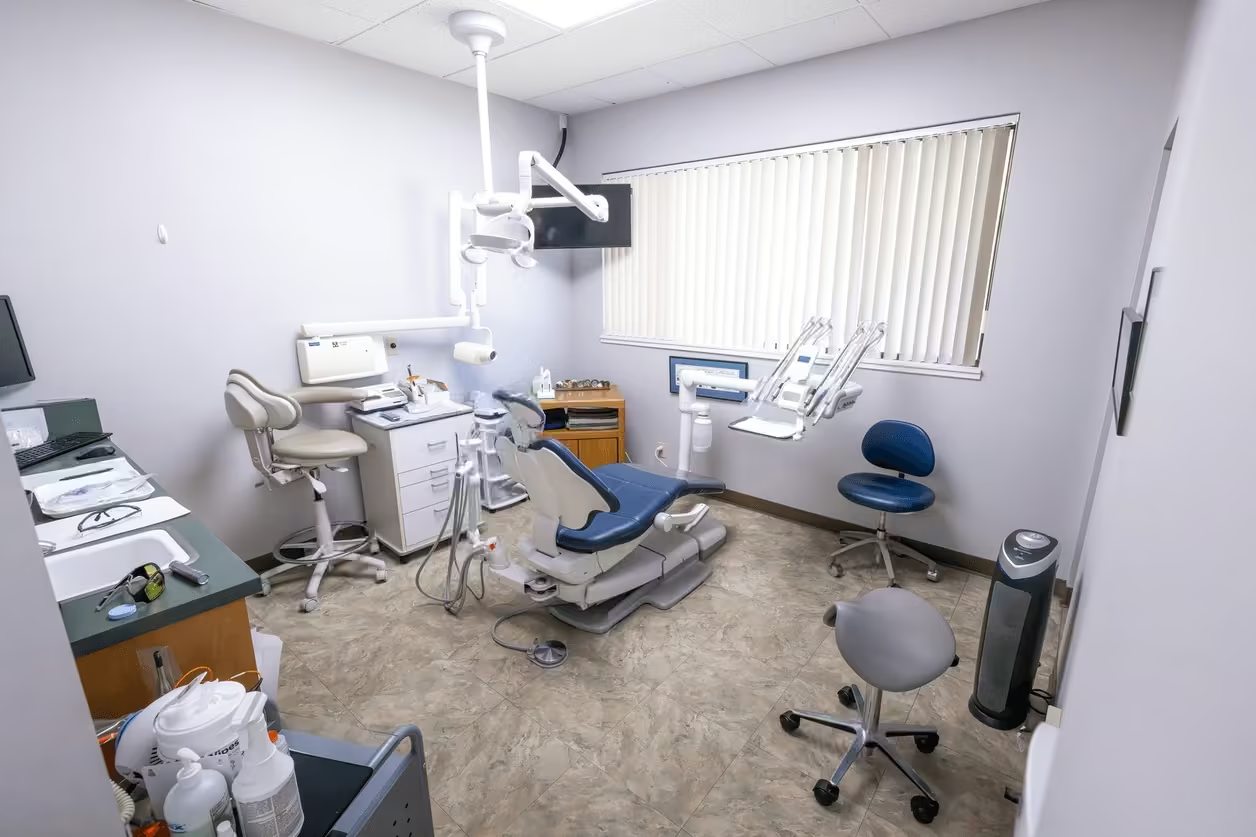


Preventive dentistry is the most effective way to catch small problems before they become painful or expensive. While it is easy to think a routine dental appointment is just a quick cleaning to remove plaque and polish your teeth, there is so much more to preventive dental care. Because oral diseases like tooth decay and gum disease are so common, understanding what type of dental cleaning you need is important.
A healthy mouth may only require a preventive cleaning, while signs of active gum disease call for a deep cleaning and ongoing periodontal maintenance after treatment to stop the disease from returning in the future.
Read on to learn what happens during a preventive dental visit, how the best dentist in Mountain View determines which type of cleaning you actually need, and how regular preventive care can help you avoid more complex dental treatment in the future.
What Happens During a Preventive Dental Visit Besides the Cleaning?
A preventive dental visit is a comprehensive evaluation designed to detect cavities, gum disease, oral cancer, and other problems before they become painful or require more extensive treatment.
Many dental conditions develop slowly and without symptoms. But by the time a tooth begins to hurt, or a filling falls out, the problem has often progressed beyond its earliest stage. During a routine dental visit, your dentist can look for subtle changes that most people cannot see or feel.
A typical preventive dental appointment usually includes:
- A comprehensive dental exam of your teeth, gums, tongue, cheeks, and other oral tissues
- An oral cancer screening to identify abnormal sores, lumps, or tissue changes
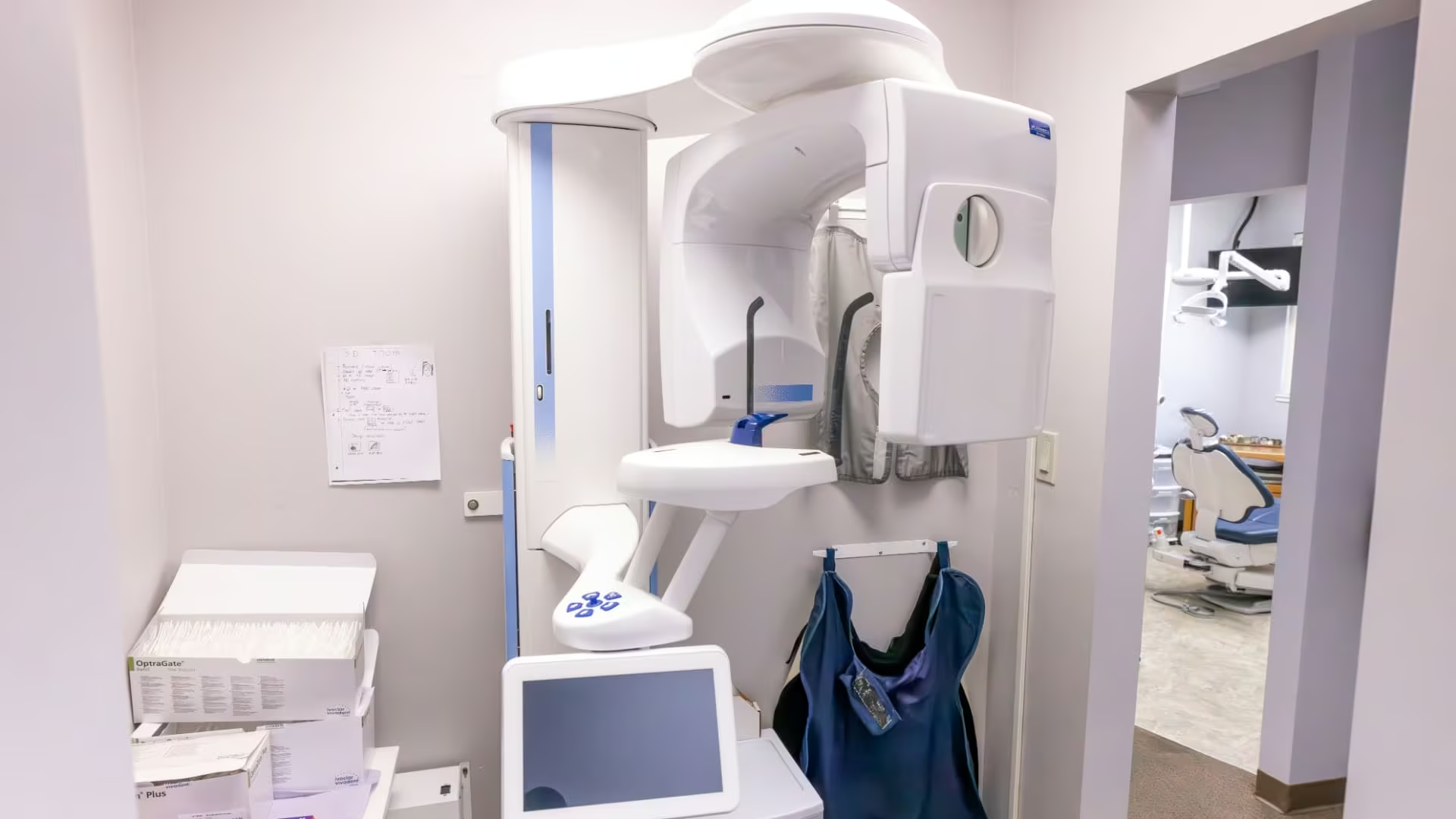
- Digital dental X-rays when appropriate to detect cavities between teeth, bone loss, infections, or impacted teeth that are not visible during a visual exam
- A periodontal evaluation that measures the space between your teeth and gums to look for early signs of gum disease
- An assessment of existing dental fillings, crowns, bridges, implants, and other restorations
- A bite evaluation to identify uneven wear, grinding, clenching, or changes in how your teeth fit together.
- A professional dental cleaning to remove plaque and tartar that is hard to remove with brushing and flossing alone
Preventive Cleaning, Deep Cleaning, and Periodontal Maintenance: What's the Difference?
The type of dental cleaning your dentist recommends depends on whether your gums are healthy, have active gum disease, or require ongoing maintenance after gum disease treatment.
How Routine Exams Help Prevent Expensive Dental Treatment
Routine dental exams help prevent complex treatment by identifying problems before they become larger, more painful, and more expensive to repair. Tooth decay usually begins as a small area where minerals are lost from the enamel, and if your dentist finds it early, treatment may be as simple as improving your oral hygiene habits at home, applying fluoride to remineralize your enamel, or placing a small dental filling. If tooth decay is allowed to progress, bacteria can reach the inner pulp of the tooth, leading to infection that may require a root canal and dental crown.
The same principle applies to gum disease, also known as periodontal disease. Early gingivitis can often be reversed with professional cleanings and better oral hygiene at home. But once infection spreads deeper and begins destroying the bone around your teeth, the damage cannot be completely reversed. Gum disease treatment becomes more involved and may require deep cleanings, periodontal procedures, or even tooth replacement if teeth become loose.
Risk Factors for Developing Gingivitis or Early Gum Disease
Regular visits to the best family dentist in Mountain View ensure that you and your family get evaluated for factors that increase your future risk for dental disease. These risk factors may include:
- Dry mouth caused by medications or certain medical conditions
- Diabetes, which can make gum disease more difficult to control
- Tobacco or nicotine use
- Frequent snacking or sugary beverages
- Acid reflux that gradually erodes tooth enamel
- Pregnancy, which can temporarily increase gum inflammation
- A history of frequent cavities or periodontal disease
When Should You See a Dentist Sooner Than Your Next Routine Dental Visit?
Teeth and gums can actually undergo significant damage before any discomfort develops. In fact, many patients find it surprising that dental pain is a late symptom that something is not right. That is why waiting until something hurts often means the problem has already progressed.
You should schedule a dental appointment before your next routine visit if you develop:
- A toothache that lasts more than a day or becomes more intense
- Swelling of the gums, face, or jaw
- Bleeding gums that occur regularly during brushing or flossing
- Persistent bad breath that does not improve with good oral hygiene
- A chipped, cracked, or loose tooth
- A sore or ulcer in your mouth that has not healed within two weeks
- Sudden sensitivity to hot, cold, or biting pressure
Finding the Best Comprehensive Dentist in Mountain View
The best time to treat most dental problems is before they become painful. Regular preventive care, combined with prompt evaluation of new symptoms, gives you the best chance of maintaining a healthy smile while avoiding more extensive treatment in the future.
At our modern dental clinic in Mountain View, we believe the best preventive care starts with careful evaluation and sound clinical judgment. As both a practicing dentist and a faculty member at the University of the Pacific, Arthur A. Dugoni School of Dentistry, Dr. Jennifer Silvers combines years of clinical experience with a commitment to staying current on the latest evidence-based techniques. Her approach focuses on identifying each patient's unique risk factors so preventive care is tailored to their needs rather than following a one-size-fits-all schedule.
If it has been a while since your last dental visit or you have questions about your oral health, we are here to help! Schedule an appointment with the best dentist in Mountain View to learn how personalized preventive care can help protect your smile for years to come.




.avif)
.jpg)

.svg)


.svg)


